May is American Wetlands Month.
Wetlands, such as those associated with Lake Charlotte, Champion Lake, and the San Bernard River, are most simply defined as the links between land and water. Some of their characteristics, such as flooding and mosquitoes, earned wetlands a bad reputation in history, but now we know their true value. They serve essential functions in natural areas by filtering water, providing flood and erosion control, and offering vital habitat for fish and wildlife. You can learn more about them at the U.S. Fish and Wildlife Service’s webpage “Wetlands 101.”
The U.S. Fish and Wildlife Service works to protect and restore wetlands through a wide range of programs, conserving wetlands and their benefits for future generations. The National Wetlands Inventory Program provides wetland data necessary to manage our wetland habitats and associated ecosystem benefits. The National Wildlife Refuge System protects high quality wetland habitat within most of its 570 refuges across the United States. The Coastal Program promotes cooperative coastal wetland conservation so that wildlife and local communities thrive, and the Migratory Birds Program works with partners to protect, restore, and conserve bird populations and their habitats for the benefit of future generations.
That is a lot to celebrate.
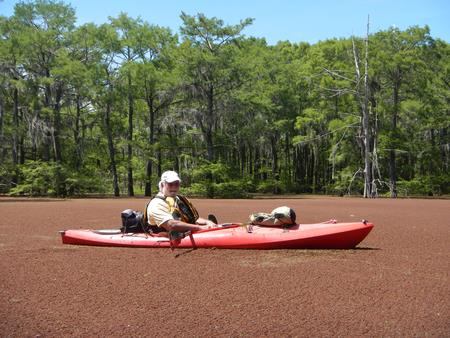
Champion Lake During National Wetlands Month 2021
by Tom Douglas